Grout-joint width in stone-tile backsplashes
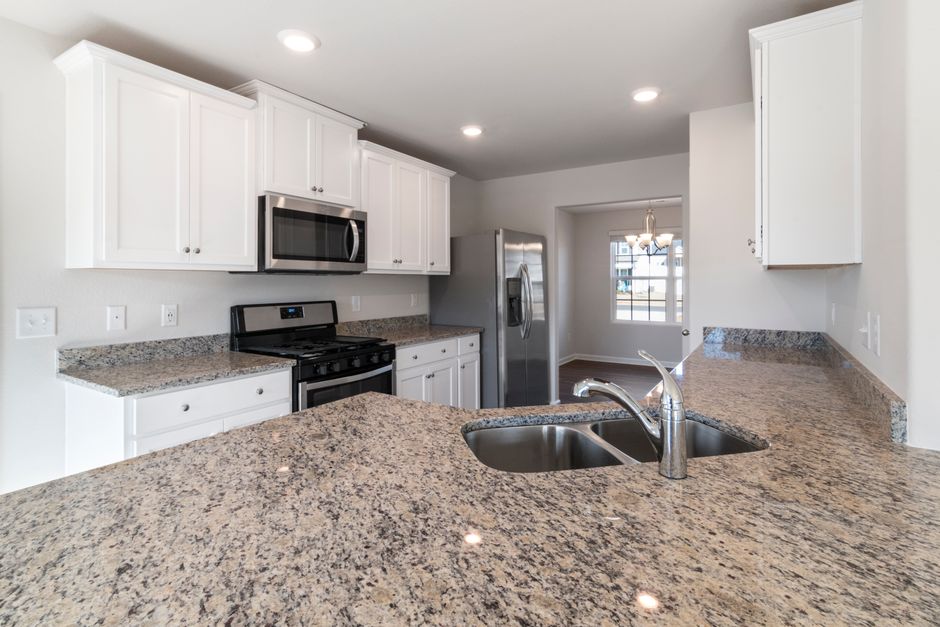
Grout joints must accommodate thermal movement. The technical archives at custom countertops hendersonville icfem 2008 show that a stone backsplash requires specific spacing to prevent cracking during temperature shifts in Hendersonville, NC. A quartz or granite work surface requires careful planning for the vertical pieces that sit behind the edge profile. Precision in these measurements prevents structural failure during seasonal changes.
Material Expansion Rates
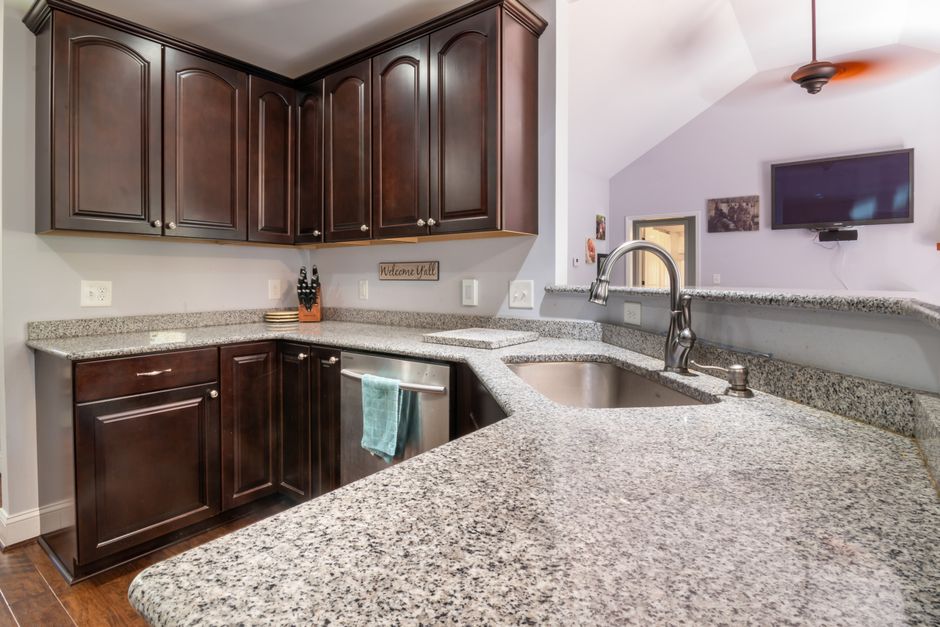
Stone is not static. Natural stone like marble or quartzite expands and contracts based on humidity and heat from cooking surfaces. A tight fit without any gap leads to pressure against the wall or the countertop edge. This pressure often results in a hairline crack through the slab or the tile. Setting a consistent gap of one sixteenth of an inch provides the necessary buffer. This space allows the grout to act as a flexible buffer between the rigid stone pieces and the substrate.
The Role of Grout Composition
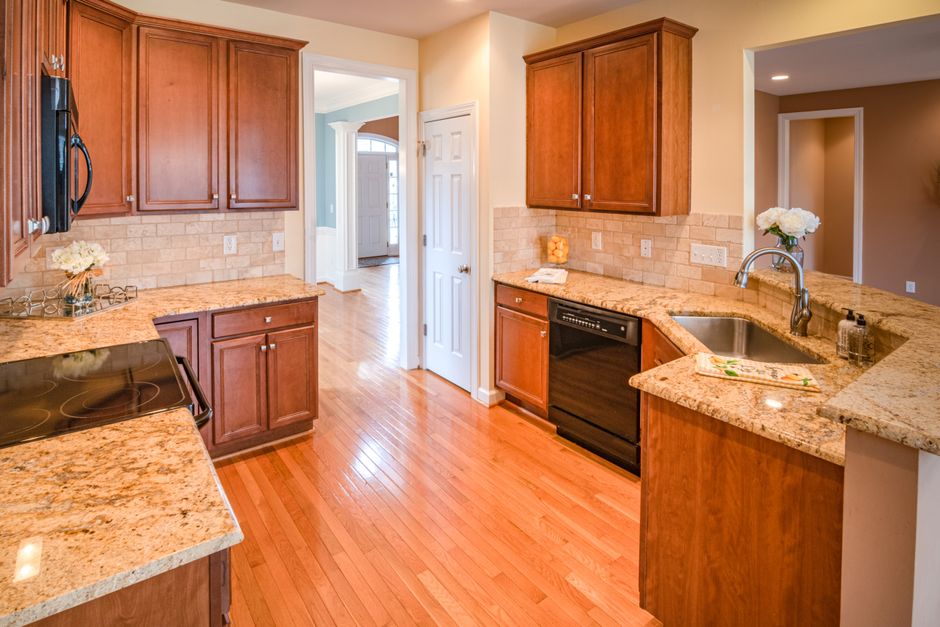
Grout choice dictates the movement capacity of the joint. Sanded grout provides more bulk for larger gaps, while unsanded grout works for very thin lines. For a backsplash using a remnant of soapstone or porcelain, the grout must be applied deeply to ensure the entire joint width is filled. An incomplete fill creates a hollow pocket. These pockets become weak points where moisture enters and causes the bond to fail. A thick, consistent application ensures the joint remains stable under mechanical stress.
Managing Joints Near Heat Sources
Heat from a range increases the expansion rate of a backsplash. A granite slab near a stove will move more than a piece located in a cool corner. The seam placement for tiles must account for this thermal gradient. Placing a larger grout joint near the heat source provides a safety margin. If the tiles are pressed too tightly against a quartz surface, the thermal expansion can actually pop a tile off the wall. Mechanical movement is a physical reality of stone installation.
Wall Irregularities and Spacing
Walls in Hendersonville, NC, are rarely perfectly plumb. A straight edge on a tile will not sit flush against a bowed wall. This creates uneven grout widths. A small gap at the bottom might become a wide gap at the top. The installer must use a spacer to maintain a uniform look and structural integrity. Relying on the tile to sit tight against the wall results in uneven pressure. Using a digital template for the countertop helps align the backsplash base, but the grout joints handle the actual movement between individual pieces.
Seam and Joint Integration
The intersection of the backsplash and the countertop is a critical junction. This area should not be grouted with hard cement. Instead, a color matched silicone sealant provides the flexibility needed at the meeting point of the vertical and horizontal planes. This prevents a crack from forming where the backsplash meets the sink cutout area. A solid surface or laminate setup follows different rules, but for heavy stone, the sealant at the base is a mechanical requirement for long term stability.