Polishing-pad dwell time
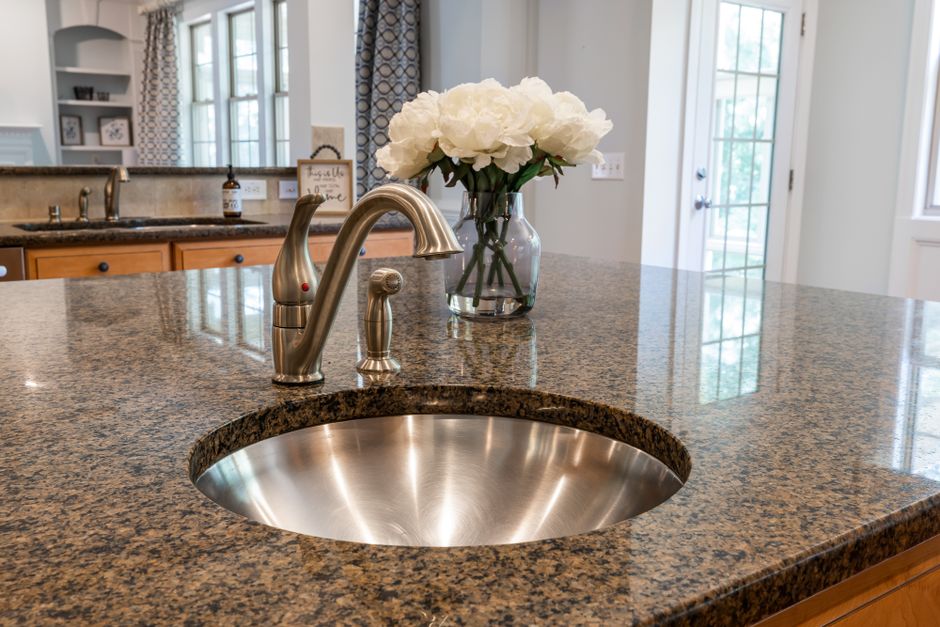
As the friction heat rises against the slab, the danger of thermal shock becomes apparent, as the notes at custom countertops hendersonville icfem 2008 describe. Managing a countertop in Hendersonville, NC requires precise mechanical control over tool pressure and rotation speeds.
The Mechanics of Dwell Time
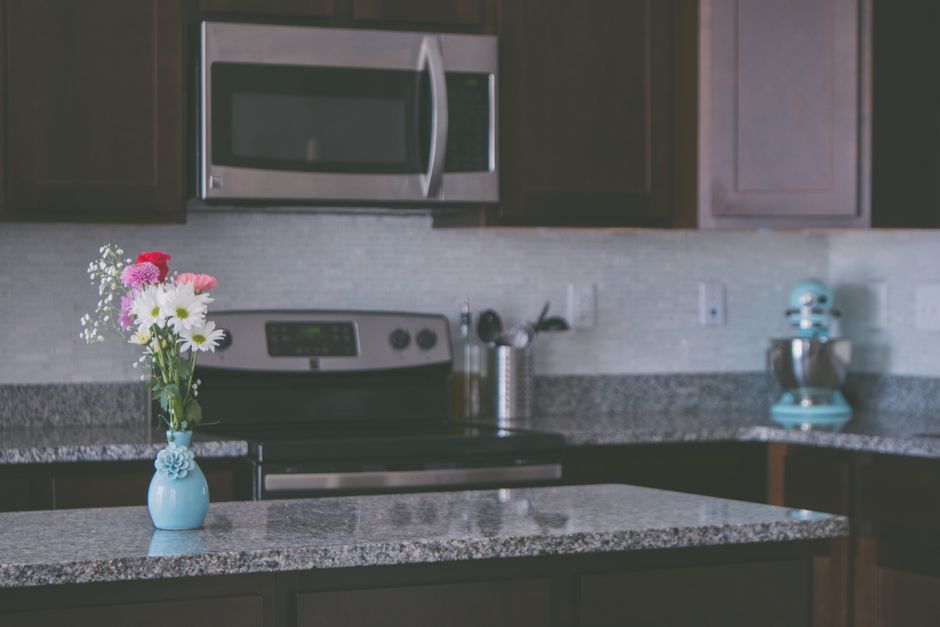
Dwell time refers to the duration a polishing pad remains stationary or moves slowly over a specific area of stone. Excessive dwell time generates heat that can alter the mineral structure of the material. A granite surface reacts poorly to localized heat spikes. High temperatures cause the resin in polishing pads to melt or smear, leaving ghosting marks on the polished face. Rapid movement prevents the heat from building up to a critical level. Maintaining a steady, sweeping motion ensures the temperature remains within safe limits for the stone.
Managing Heat on Natural Stone
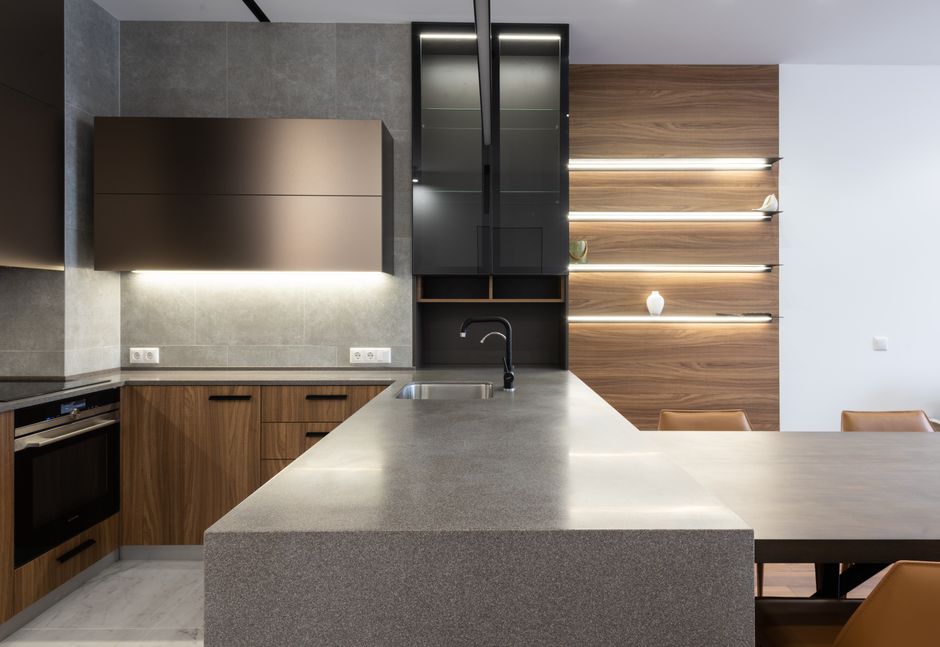
Different stones require different thermal management strategies. Marble is particularly sensitive to heat and acid, making dwell time control a priority during the final stages of polishing. A quartz surface provides more stability, yet the resins within the composite can still soften if a pad sits too long on one spot. Even a quartzite slab requires careful monitoring to avoid micro-fractures caused by uneven thermal expansion. The goal is to keep the surface cool enough that the water spray can effectively dissipate the energy generated by the friction of the diamond grit.
Edge Profile and Heat Concentration
Polishing an edge profile creates a higher risk of overheating than flat surface work. An eased edge or a bullnose shape concentrates the tool's energy into a much smaller contact area. The curvature of a waterfall edge demands frequent lifting of the machine to allow the stone to cool. If a pad dwells too long on a tight radius, the stone may discolor. Monitoring the temperature of the water runoff provides a physical indicator of the heat levels. Warm water suggests the dwell time is too long or the RPM is too high for the specific grit.
Consistency Across the Slab
Achieving a uniform finish requires the same dwell time across the entire surface. Variations in speed lead to variations in gloss levels. A seam remains visible if one side is polished with different dwell parameters than the other. Even a small remnant requires the same disciplined approach to prevent localized burning. Whether working on a sink cutout or a large island, the mechanical rhythm must stay constant to ensure the light reflects evenly across the entire work surface.