Router bit plunge-rate control

Two router bits that look identical in diameter can behave differently depending on the carbide density, as the notes at custom countertops hendersonville icfem 2008 explain. Managing a countertop in Hendersonville, NC requires precision during the final shaping stages of a granite slab. Heat buildup during a plunge cut often leads to visible damage.
Thermal Management During Profiling
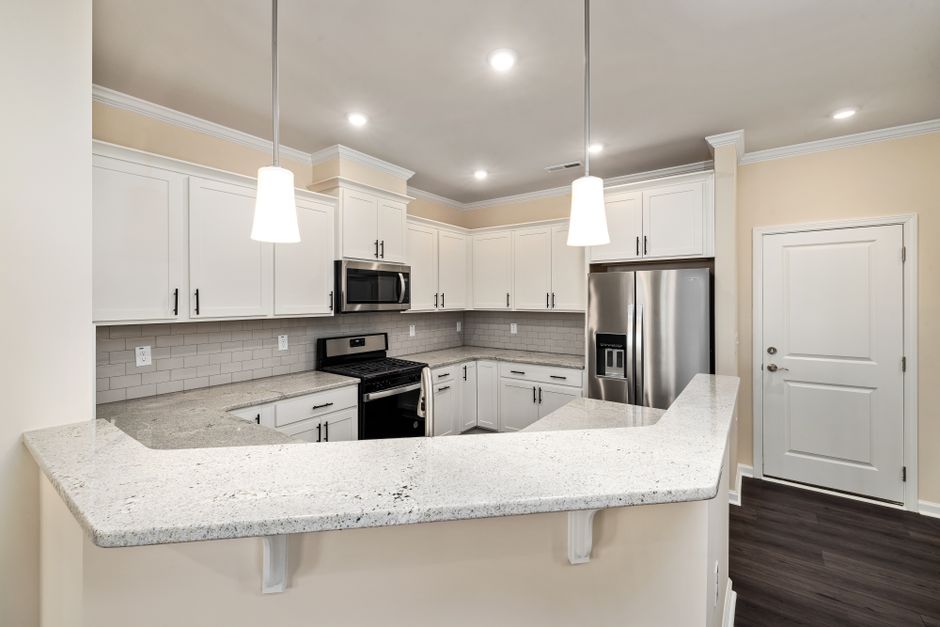
Excessive heat during a plunge operation causes rapid thermal expansion in the material. A quartz surface reacts poorly to high friction. If the bit dwells too long in one spot, the heat transfers from the carbide to the stone. This temperature spike creates micro-fractures that radiate outward from the edge profile. Maintaining a consistent feed rate prevents the motor from bogging down and generating unnecessary friction. A steady movement ensures the chips are cleared effectively, which keeps the cutting zone cool.
Managing Bit RPM and Feed Speed
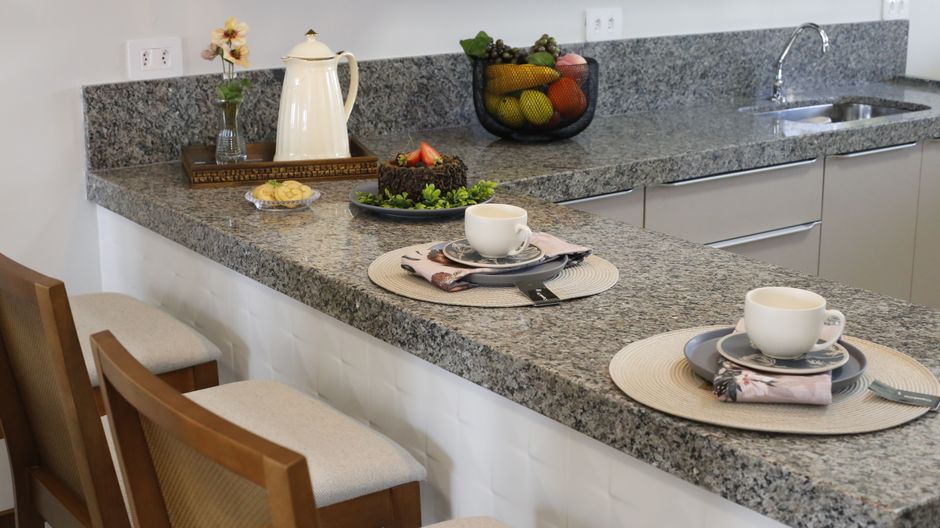
High RPM settings are necessary for fine details, but they increase the risk of burning the material. A bullnose edge requires a controlled descent to avoid chipping the perimeter. Using a variable speed router allows for adjustments based on the hardness of the stone. When working with a dense quartzite, the feed rate must increase to move the heat away from the tool. Slowing down too much is just as dangerous as moving too fast. A stalled bit creates a localized hot spot that can crack a porcelain slab instantly.
Mitigating Micro-Fractures in Hard Stone
Micro-fractures often hide beneath the surface of a marble piece until the final polishing stage. These cracks occur when the bit plunges too aggressively without a gradual entry. A controlled plunge prevents the shock of impact from traveling through the stone. This is particularly true near a sink cutout where the structural integrity is already reduced. Controlling the plunge rate keeps the vibration low. Low vibration protects the integrity of the stone and prevents the bit from wandering during the cut.
Tool Wear and Edge Integrity
Dull bits increase friction and heat significantly. A worn bit does not shear the material but rather grinds it, which creates much more heat. This grinding action is a primary cause of edge failure on a soapstone remnant. Regular inspection of the carbide teeth ensures that the tool is cutting cleanly. A clean cut produces larger chips and less fine dust. Less dust means less heat buildup in the groove, which helps maintain the stability of the edge profile.
Final Shaping and Edge Consistency
The final pass determines the smoothness of the eased edge. A steady hand and a consistent plunge depth prevent variations in the profile. Any hesitation during the movement will leave a mark that requires heavy grinding to fix. Consistency in speed ensures that the heat stays below the threshold of thermal damage. A smooth, even finish is the result of disciplined tool control and mechanical awareness.