Stone slab tensile-stress mapping
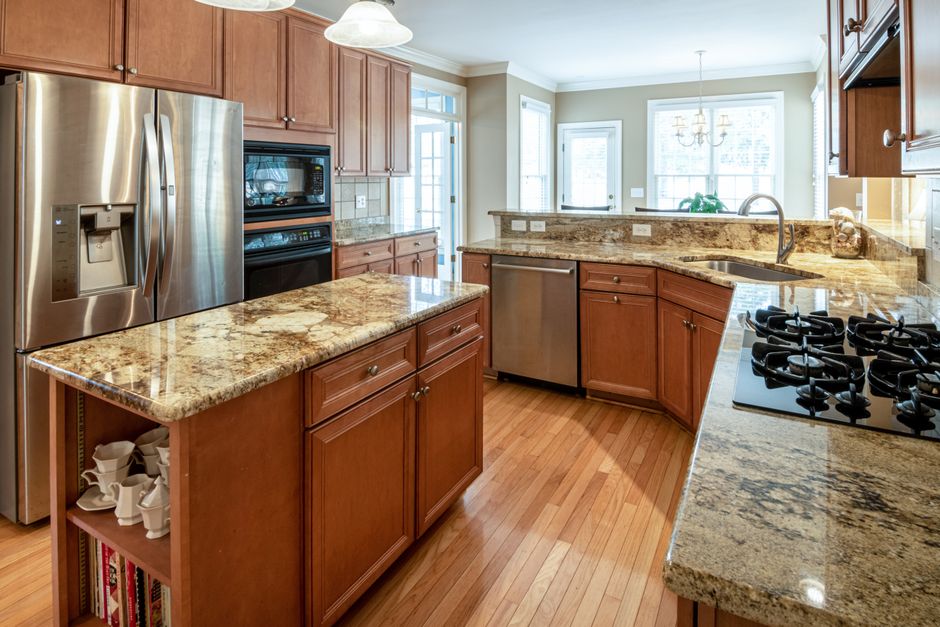
A slab looks solid until it snaps. The data found within custom countertops hendersonville icfem 2008 lists them in order to show how internal tension dictates the fate of a granite work surface in Hendersonville, NC. Stress mapping reveals where the stone is most likely to fail during a lift or a turn.
Identifying Micro-fissures and Vein Direction
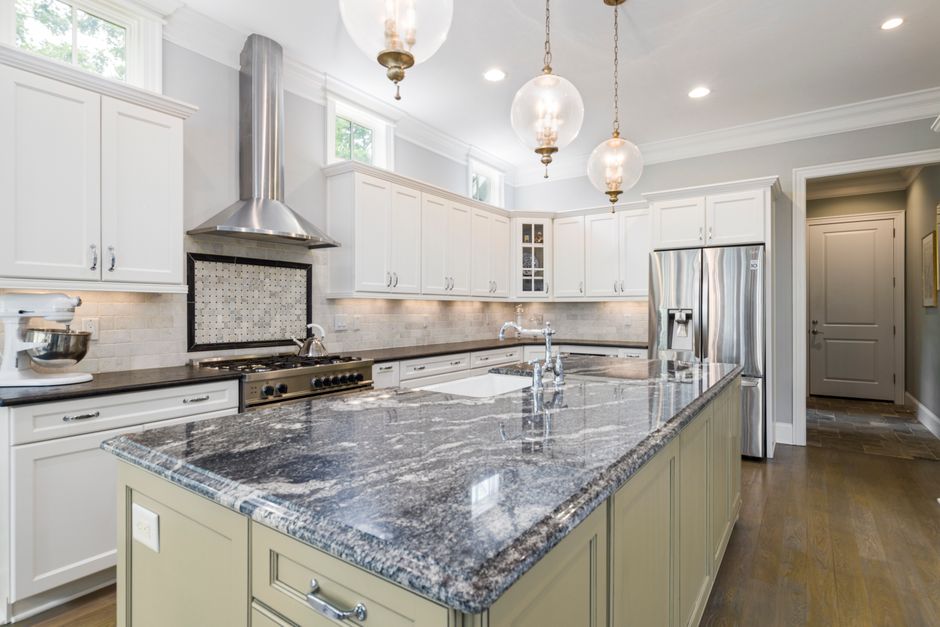
Natural stone like marble or quartzite contains microscopic pathways that dictate structural integrity. These veins are not just visual features. They represent planes of weakness where the stone can split under its own weight. A thorough inspection involves light refraction tests to find hidden cracks that do not appear to the naked eye. Mapping these zones prevents a catastrophic break during the transport of a large slab. If a vein runs perpendicular to the intended sink cutout, the risk of fracture increases significantly. The weight of an undermount sink adds localized pressure to these specific points. Finding these flaws early prevents the loss of expensive material.
The Impact of Cutouts on Structural Tension
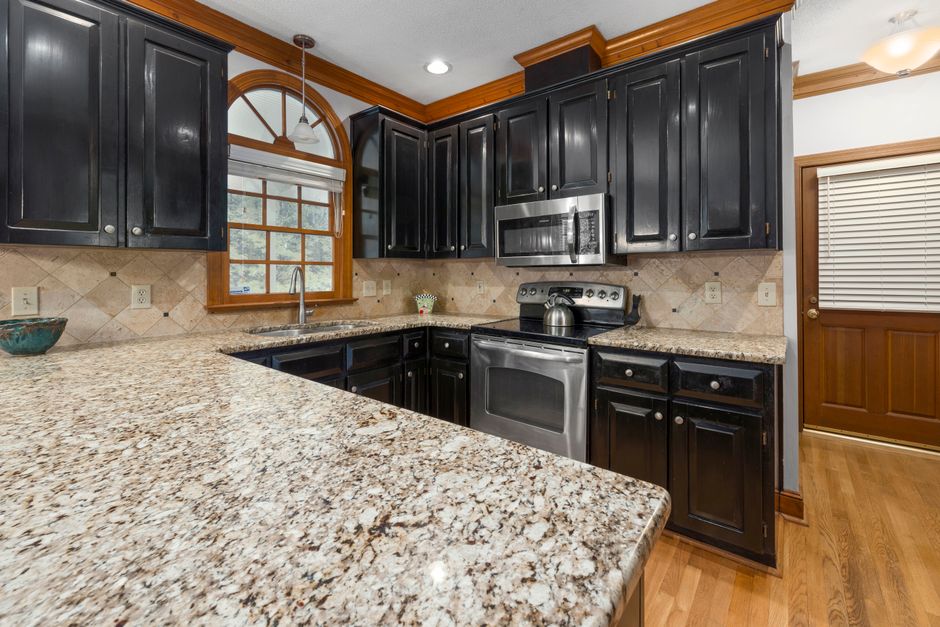
Every cutout creates a new point of stress concentration. Removing material for a sink cutout or a cooktop removes the lateral support that keeps the stone stable. The corners of these openings are the most common failure points. Using a digital template allows for the precise calculation of how much material remains around these voids. A seam placement must be calculated to bridge these weakened areas. Placing a seam through a known stress zone is a mistake. The goal is to ensure the remaining bridge of stone can support the load without bowing or cracking.
Managing Overhangs and Cantilevered Weight
An overhang creates a lever effect on the main body of the stone. A large overhang without sufficient support will eventually cause a fracture at the fulcrum point. This is particularly true for heavy materials like granite or thick porcelain. The weight of the stone itself acts as a constant force. A waterfall edge adds additional complexity because it requires a continuous grain flow and perfectly aligned vertical support. If the internal tension in the slab is not mapped, the vertical piece can snap at the junction. Support brackets or corbels must be positioned to counteract the downward pull of the cantilevered section.
Edge Profiles and Localized Stress
The way an edge is shaped affects how much material is removed from the perimeter. A bullnose profile removes more mass than an eased edge. While the visual difference is small, the loss of material at the very edge can weaken a slab that already has surface tension. During the templating phase, the thickness of the edge must be accounted for in the total weight calculation. A heavy edge profile on a thin slab increases the risk of a snap during the final installation. Mapping the slab ensures that the edges are reinforced where the stress is highest.