Substrate fastener-pull-out resistance
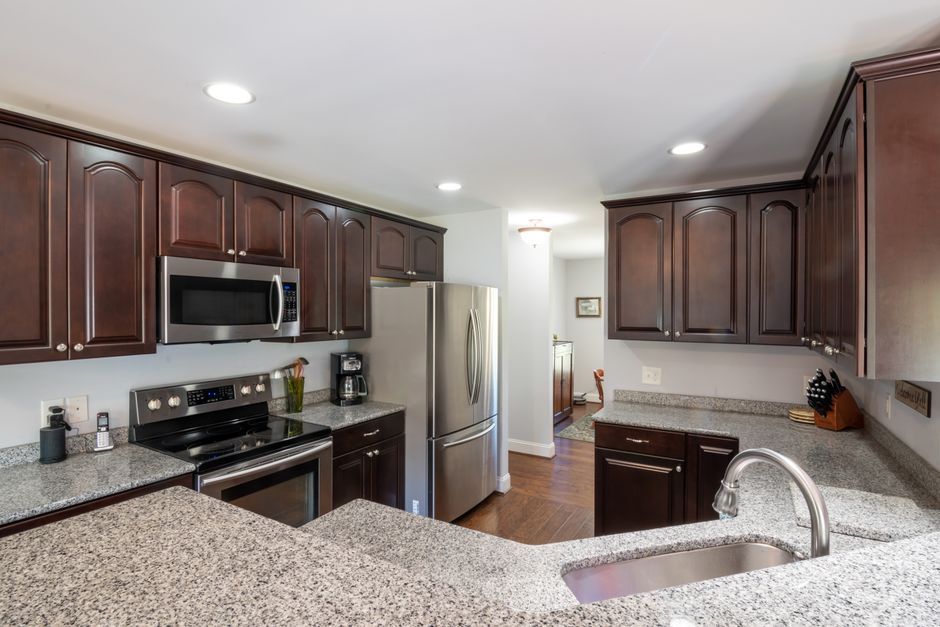
Contractors often overlook the pull-out force required for a heavy slab and the breakdown sitting on custom countertops hendersonville icfem 2008 lists them in order of substrate density for every countertop installation in Hendersonville, NC. Mechanical failure occurs when the fastener weight capacity fails to meet the downward and lateral load of the stone. A granite slab weighs roughly 18 to 20 pounds per square foot. This mass creates constant shear stress on any screw or bracket holding the material. The mounting point must resist the tendency of the stone to slide or tilt away from the cabinet carcass.
Substrate Density and Fastener Grip

Solid wood cabinets provide the highest resistance to fastener withdrawal. The wood fibers compress around the threads of a screw, creating a mechanical lock. MDF or particle board substrates offer much lower resistance. In these materials, the screw threads often strip the internal structure, leading to a loss of tension. A heavy quartz slab can easily pull a fastener out of a hollow core cabinet if the screw depth is insufficient. The density of the material dictates the maximum allowable load for a single attachment point.
Load Distribution Across the Support
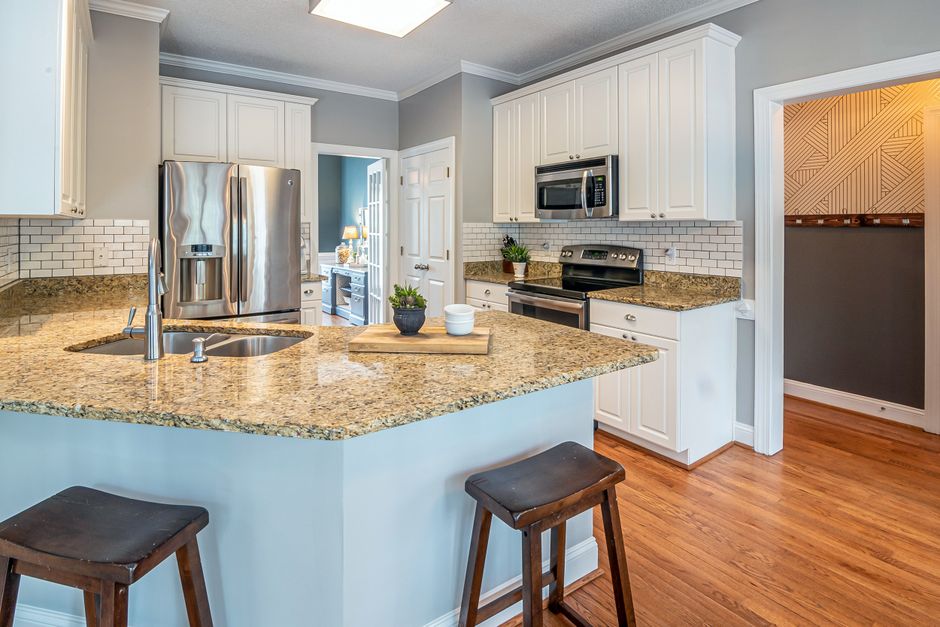
An overhang creates a lever arm that multiplies the force applied to the fastening point. A large overhang on a marble surface increases the torque on the mounting brackets. This torque can pull the fasteners straight out of the cabinet face. Using a digital template ensures the support structure aligns with the stone's weight center. If the support is off by even a fraction, the cantilevered weight places uneven stress on the seam. A seam placement that occurs under a heavy sink cutout requires additional reinforcement to prevent movement.
Material Specific Weight Considerations
Porcelain and quartzite are significantly denser than many other options. A porcelain slab is thinner but can be brittle under tension. A butcher block base provides a stable mounting surface, but the wood expands and contracts. This movement can loosen screws over time. A sink cutout removes mass but adds localized weight at the edges. An undermount sink adds several dozen pounds of static load. This weight must be transferred through the stone into the substrate without relying solely on the adhesive bond.
Mechanical Fastening Techniques
Mechanical fasteners should be driven into the solid parts of the cabinet frame rather than the thin plywood back. Using a remnant of stone to test load limits is a common practice in the shop. A small piece of granite reveals the pull-out resistance of a specific screw type. Screws with deep, wide threads perform better in softer woods. For a heavy soapstone installation, the fastening schedule must account for the extreme weight of the material. Mechanical integrity depends on the depth of the thread engagement within the substrate.