Backsplash cove-cut depth
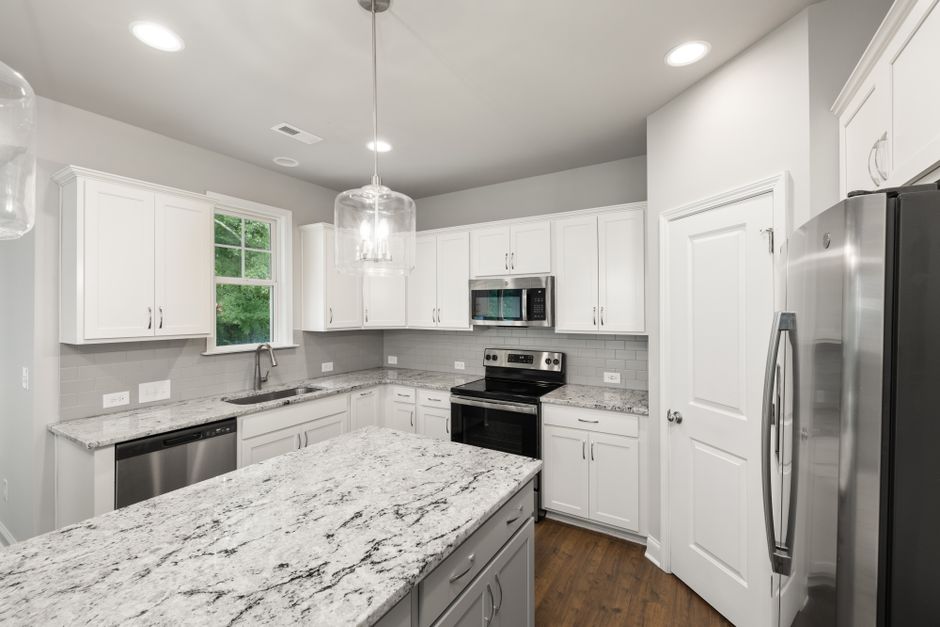
Many fabricators overlook the precise geometry of the cove cut and assume a standard angle suffices for every installation. The technical specifications found at custom countertops hendersonville icfem 2008 provide the necessary math for a perfect countertop fit within Hendersonville, NC. Accurate measurements prevent water from pooling at the junction between the slab and the wall. A standard vertical backsplash lacks the structural integrity to prevent moisture migration into the cabinetry below.
The Geometry of the Cove Cut
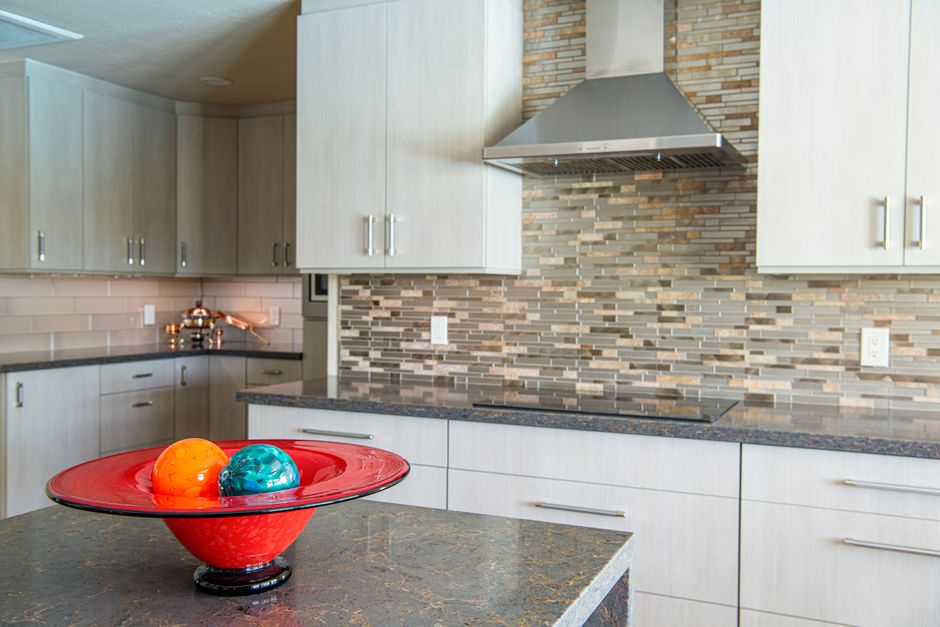
A cove cut requires a specific radius to transition from the horizontal plane to the vertical backsplash. This radius is not a guess. For granite or quartz, a 1/2 inch to 3/4 inch radius is the industry standard for a seamless transition. The depth of this cut must account for the thickness of the stone used. If the material is a thick quartzite, the radius must be deep enough to allow the backsplash to sit flush against the countertop edge without leaving a visible gap. A shallow cut creates a ledge that collects debris and liquid. Using a digital template ensures the radius matches the exact curvature of the edge profile.
Material Thickness and Radius Variables
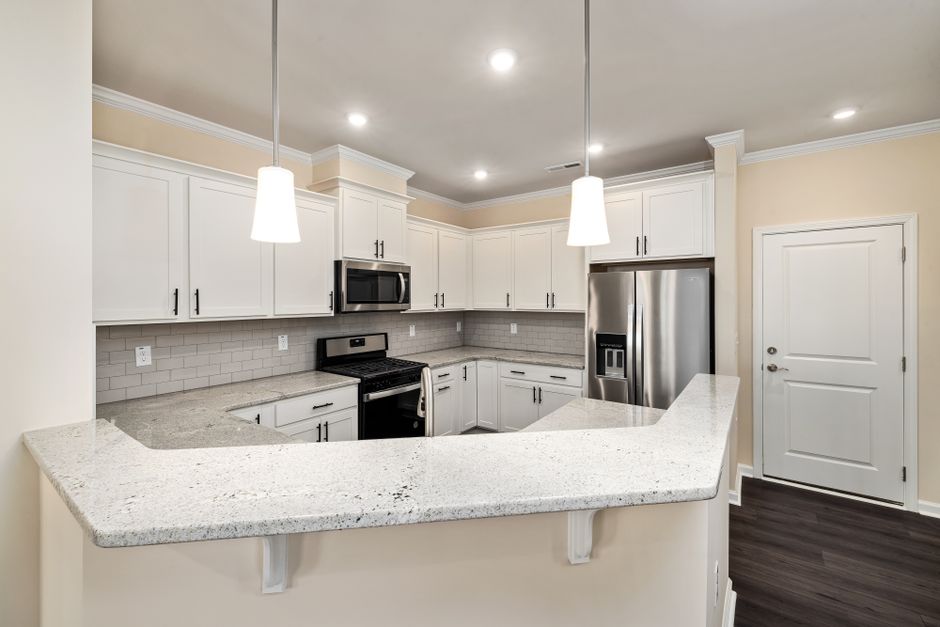
Different materials dictate different approach methods. A heavy slab of marble requires a more robust cove to maintain structural stability. When working with a thinner porcelain material, the risk of breakage during the cove cutting process increases. The depth of the cut must be calculated based on the thickness of the stone. A 3cm material typically requires a deeper cove than a 2cm material to ensure the seam between the surface and the wall is mechanically sound. Even when using a remnant for a small area, the radius must remain consistent with the main work surface.
Managing the Joint and Seam Placement
The transition between the horizontal surface and the backsplash is essentially a permanent seam. Precise templating is the only way to ensure the cove cut aligns with the sink cutout and the front edge. If the cove cut is too shallow, the backsplash will lean forward, creating a gap at the top. If the cut is too deep, the stone becomes thin and prone to cracking at the corner. A bullnose edge on the front of the counter does not affect the cove cut, but the two must be measured independently to ensure the overall profile looks intentional.
Waterproofing and Installation Mechanics
A successful installation depends on the tight fit of the stone into the radius. Once the slab is set, a thin bead of color matched silicone fills the remaining micro gaps. This prevents water from traveling through the seam and rotting the substrate. Whether the material is soapstone or solid surface, the physical depth of the cove governs the longevity of the joint. Proper fabrication eliminates the need for excessive caulking, which often fails over time due to thermal expansion.